


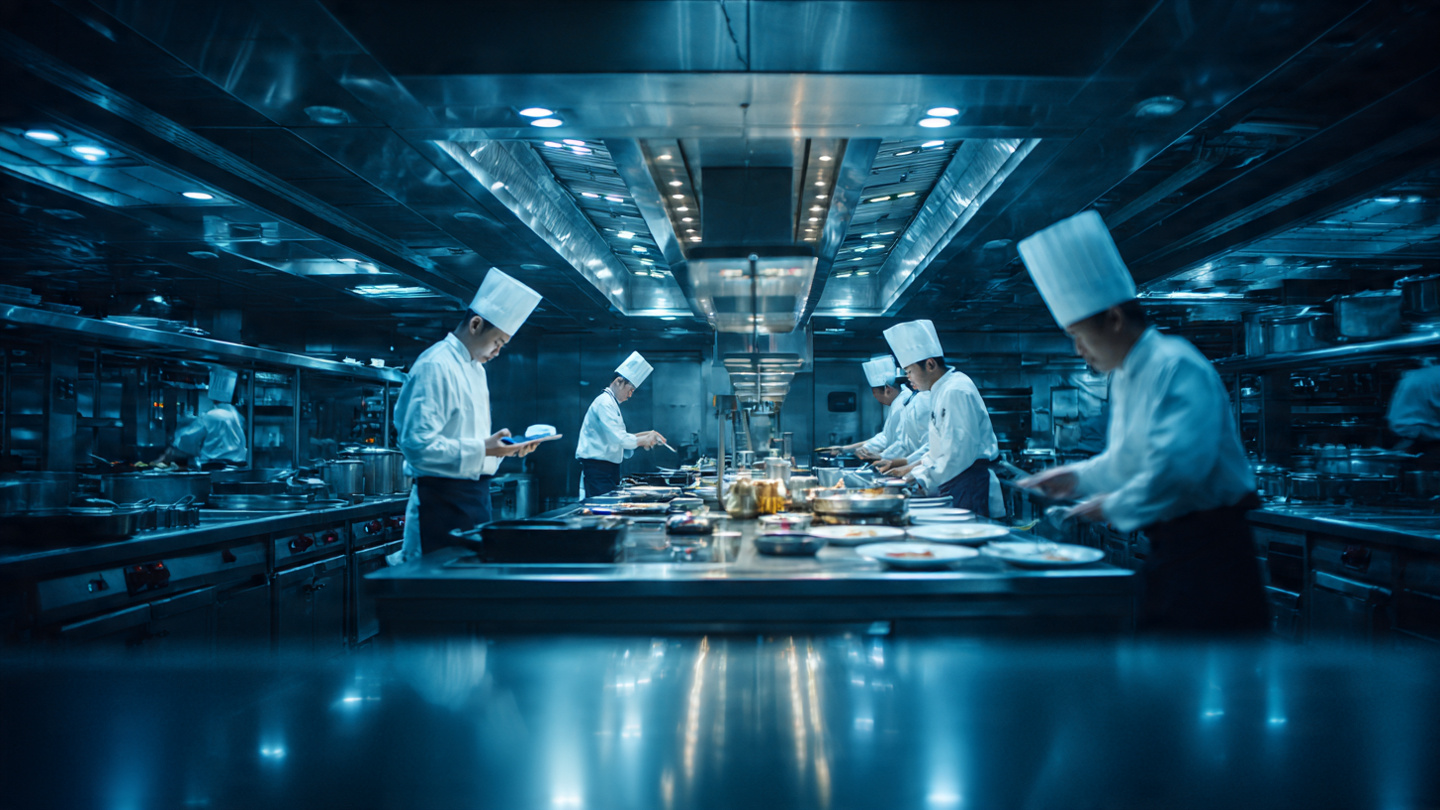
Central Kitchen Inventory Management for F&B: Reduce Waste & Improve Stock Control
Efficient central kitchen inventory management is crucial for food and beverage (F&B) operators aiming to minimize waste, reduce costs, and boost operational efficiency. Managing stock effectively in a central kitchen setting involves keeping real-time track of ingredient levels, anticipating demand fluctuations, and automating stock ordering. Without a robust stock inventory management system, common challenges such as overstocking, stockouts, and inaccurate forecasting can disrupt kitchen operations and reduce profitability. This article explores the challenges faced by central kitchens in inventory control, why these problems occur, and how modern solutions like Codemax Smart F&B ERP leverage technology to optimize inventory management, streamline supply chains, and support smart stock ordering.
The Challenge of Central Kitchen Inventory Management
Central kitchens act as production hubs supplying multiple outlets, making inventory control complex due to varied product recipes, batch production cycles, and multiple stakeholders. Problems often arise from inaccurate stock visibility leading to excess inventory which ties up capital and increases food spoilage. Conversely, stock shortages can halt production lines, delay order fulfillment, and harm customer satisfaction. Traditional manual inventory tracking methods are error-prone and slow, unable to provide timely data for decision-making. As ingredient costs and compliance standards rise, effective inventory management becomes a decisive factor for competitiveness and sustainability in the F&B industry.
Why Inventory Optimization is Difficult in Central Kitchens
Several factors contribute to inventory management challenges in central kitchen operations:
- Multi-Ingredient Complexity: Managing dozens or hundreds of raw materials with different shelf lives and storage conditions requires precise tracking.
- Demand Variability: Fluctuations in orders due to seasonality, promotions, or outlet expansion complicate forecasting.
- Batch Production: Large batch cooking demands synchronization of stock availability with production schedules.
- Supply Chain Dependencies: Delays or inconsistencies from suppliers ripple across inventory, stressing the need for integrated ordering systems.
- Data Silos: Disconnected systems between procurement, production, and retail outlets hinder unified stock visibility.
- Human Errors: Manual entry and counting increase shrinkage and inaccuracies.
These challenges underscore the need for centralized, real-time inventory control empowered by automation and data analytics.

Solutions & Best Practices for Stock Control
To overcome these hurdles, central kitchens should adopt the following strategies:
- Implement Real-Time Inventory Tracking : Use barcoding and RFID technology to monitor stock movements accurately from receipt to usage in production.
- Adopt Demand Forecasting Tools : Leverage historical sales and consumption data to predict future inventory needs, adjusting orders proactively.
- Automate Stock Replenishment : Set reorder thresholds in your system that trigger automatic purchase orders, avoiding stockouts and overstocking.
- Centralize Data Integration : Consolidate inventory data across procurement, production, and retail outlets in one platform for transparency.
- Regular Stock Audits & Cycle Counts : Perform periodic audits to validate data accuracy, identify shrinkage, and refine processes.
- Train Staff on Inventory Procedures : Standardize workflows for receiving, storage, and usage to reduce human errors.
- Manage Shelf Life and FIFO (First In, First Out) : Track expiration dates and rotate stock properly to minimize spoilage.
The Role of Technology in Modern Inventory Management
Modern ERP systems like Codemax Smart F&B ERP enable central kitchens to overcome traditional inventory challenges through integrated solutions:
- Comprehensive Inventory Visibility : Real-time dashboards show live stock levels, consumption rates, and pending orders.
- Supply Chain Integration : Connect suppliers and automate procurement workflows to improve reliability and reduce delays.
- Stock Ordering Automation : The system forecasts demand using artificial intelligence and triggers automatic reordering.
- Batch and Recipe Linking : Inventory usage is tied directly to batch production and standardized recipes, ensuring accurate raw material consumption tracking.
- Waste Reduction Features : Alerts for expiry dates and spoilage risks help prevent unnecessary inventory loss.
- Mobile Access : Staff can update stock status on-the-go, improving data accuracy and responsiveness.
By harnessing these technologies, central kitchens optimize inventory turnover, reduce holding costs, and ensure production continuity.
Real-World Impact: Codemax Smart F&B ERP in Action
A leading multi-outlet restaurant chain integrated Codemax Smart F&B ERP to manage its central kitchen inventory. Before implementation, the chain struggled with frequent stockouts and excess food waste amounting to 8% of their monthly ingredient costs. After deployment:
- Inventory visibility improved with real-time stock dashboards accessible to all outlets.
- Automated reordering decreased stockouts by 70%.
- Waste due to spoilage dropped by 60% through expiration alerts and rotation management.
- The chain achieved overall cost savings of 15% within six months on ingredient purchasing.
This case highlights how centralized inventory management powered by Codemax transforms stock control efficiency and operational agility.

Common Mistakes to Avoid in Inventory Management
- Relying solely on manual spreadsheets or disconnected tools
- Ignoring demand signals causing reactive rather than proactive ordering
- Overlooking staff training on inventory procedures
- Neglecting integration between inventory and production systems
- Failing to audit and reconcile physical stock regularly
Avoiding these missteps ensures a strong foundation for optimized inventory workflows.
Conclusion: Mastering Central Kitchen Inventory Management for Success
Key takeaways for optimizing stock inventory management in central kitchens:
- Real-time inventory tracking and data integration are essential to reduce waste and prevent stockouts.
- Demand forecasting and automated reordering improve ordering accuracy and operational efficiency.
- Modern ERP solutions like Codemax Smart F&B ERP deliver comprehensive visibility and automation tailored for central kitchen complexities.
- Proper inventory management supports sustainable operations by minimizing spoilage and controlling ingredient costs.
Effective central kitchen inventory management remains a cornerstone of success in the competitive F&B industry. As supply chains grow increasingly complex, leveraging advanced ERP platforms will be indispensable to maintain agility, transparency, and profitability.
Learn how Codemax Smart F&B ERP can help optimize your F&B operations with intelligent inventory management and smart stock ordering, ensuring your central kitchen runs smoothly and your resources are maximized.