


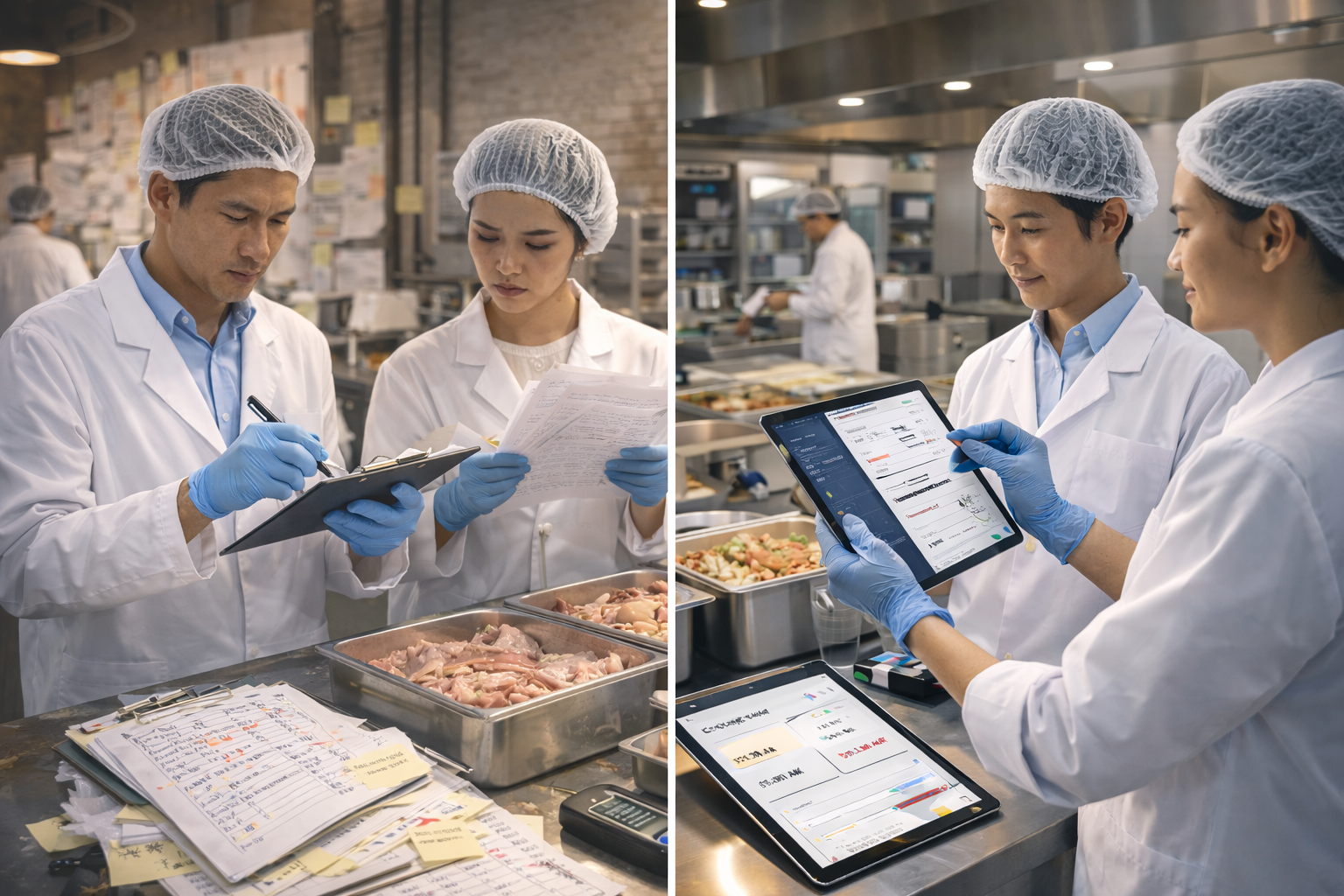
In today’s fast-paced food and beverage industry, managing a central kitchen efficiently is critical to success.
Many central kitchens struggle with complexity in operations, from inventory management to production scheduling. If your kitchen experiences bottlenecks, waste, or inconsistent output, it might be time to adopt a modern solution. Implementing a central kitchen ERP system can transform your operations, improving efficiency, traceability, and profitability. This article highlights the key signs that indicate your central kitchen needs an ERP system now and explains how this technology can provide a comprehensive solution.
The Challenge: Evolving Central Kitchen Complexities
Running a central kitchen is no small feat. Demand fluctuations, strict food safety requirements, and the need to maintain consistent quality pose significant challenges. Many kitchens still rely on manual processes or fragmented software tools, leading to:
- Inventory discrepancies causing overstocking or shortages
- Production delays due to poor batch scheduling or recipe scaling errors
- Difficulty tracking ingredient cost and controlling food wastage
- Compliance risks with incomplete audit trails and documentation
- Lack of real-time visibility across processes and supply chain
These inefficiencies directly impact costs, operational agility, and the customer experience.
Why This Happens: Root Causes of Operational Strain
Central kitchens often face these issues because traditional management methods can’t scale with increasing volumes or complexity. Key root causes include:
- Manual data entry errors and disconnected systems
- Limited integration between procurement, production, and distribution
- Inadequate insights into demand forecasts and inventory status
- Absence of automated alerts for food safety compliance or expiry
- Difficulty coordinating multiple teams and shifts with effective workflows
As a result, operators lose valuable time troubleshooting instead of focusing on quality and innovation.
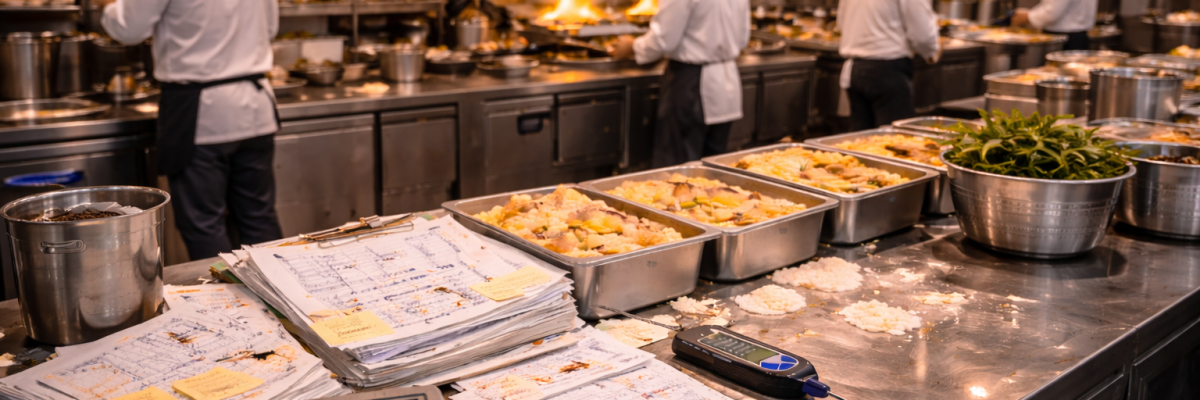
Solutions & Best Practices: How an ERP System Transforms Your Kitchen
Leading central kitchens are turning to ERP solutions designed specifically for bulk food preparation and production workflows. Some best practices enabled by ERP systems include:
- Automated Inventory Management: Track ingredient levels in real time, reduce stockouts, and automate reorder points.
- Recipe Scaling and Batch Production Oversight: Ensure consistent yield and quality through accurate recipe management and production tracking.
- Integrated Supplier and Purchase Order Management: Streamline procurement with supplier data integration and automated order processing.
- Compliance and Traceability Tools: Maintain detailed audit trails for food safety and regulatory standards with digital logging.
- Data-Driven Scheduling and Workflow Optimization: Optimize labor and equipment utilization through production scheduling dashboards and analytics.
Adopting these practices boosts efficiency, reduces waste, and supports seamless operations across all central kitchen functions.
Technology’s Role: Modern ERP Systems as a Central Kitchen Backbone
Modern ERP solutions like Codemax Smart F&B ERP are designed to address these pressing needs through a unified digital platform. Codemax provides:
- Central Kitchen ERP Modules tailored for recipe management, batch production, and inventory flow
- Automated Data Capture reducing manual entry errors and ensuring up-to-date information
- Comprehensive Traceability Features tracking raw materials to finished goods for quality assurance
- Smart Stock Ordering Automation optimizing inventory levels based on predictive analytics
- Real-time Dashboards and Reporting enabling rapid decision making and operational visibility
With these tools, central kitchens gain end-to-end control, enabling proactive management and continuous improvement.
Real-World Impact: Case Study
A leading cloud kitchen operator integrated Codemax Smart F&B ERP into their central kitchen operations and realized remarkable results:
- 20% reduction in food wastage within 3 months due to precise inventory tracking and expiry alerts
- 15% improvement in production scheduling accuracy, reducing overtime labor costs
- Full compliance with food safety audits through digital traceability, avoiding penalties
- Enhanced supplier coordination and faster order fulfillment cut procurement delays by 10%
These outcomes demonstrate the tangible benefits of ERP deployment, turning operational challenges into growth opportunities.
Common Mistakes to Avoid When Implementing ERP
To maximize the value of an ERP system, avoid these typical pitfalls:
- Selecting a generic ERP without F&B-specific features
- Ignoring staff training and change management
- Overcomplicating workflows instead of streamlining processes
- Neglecting integration with existing retail POS or supply chain systems
Choosing an experienced solution provider like Codemax Smart F&B ERP— ensures customization, proper onboarding, and ongoing support tailored for F&B central kitchens.
Conclusion
If your central kitchen faces these issues, it’s a strong indicator that a central kitchen ERP is needed now:
- Inefficient manual inventory and production management
- Inconsistent recipe scaling and quality control
- Compliance burdens and traceability gaps
- Lack of real-time visibility and data-driven insights
Implementing a modern ERP system like Codemax’s offers a strategic advantage by enhancing operational efficiency, reducing waste, and ensuring regulatory compliance while supporting scalable growth.
Embrace the future of central kitchen management with Codemax Smart F&B ERP—learn how this comprehensive solution can optimize your F&B operations for lasting success.