


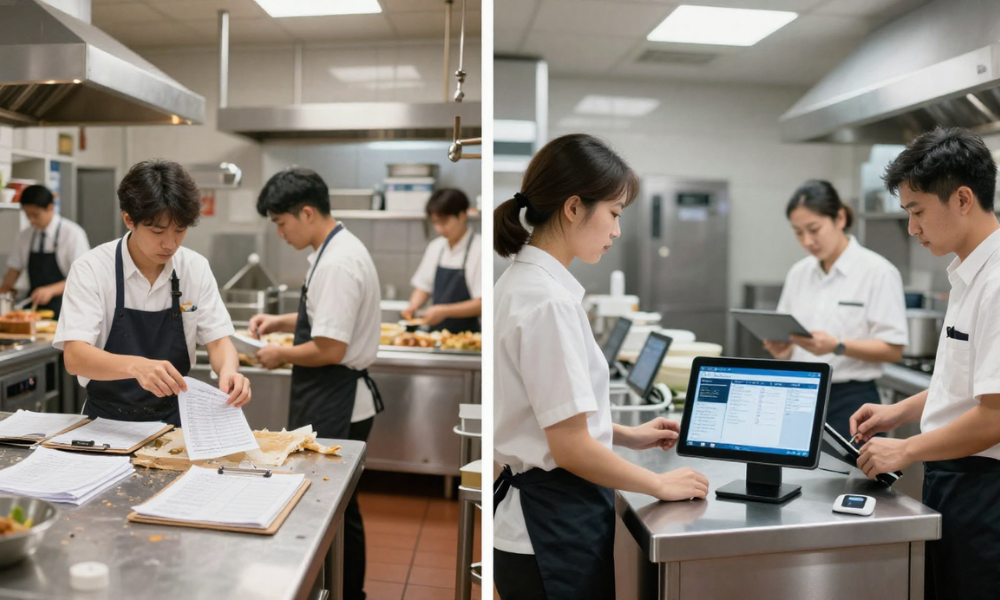
This article delves into the food safety risks associated with manual production tracking and explores how modern solutions like food production ERP systems can transform food safety compliance and operational efficiency in central kitchens and food manufacturing.
In the fast-paced world of food production, maintaining stringent food safety standards is non-negotiable. However, many businesses still rely heavily on manual production tracking methods—handwritten logs, spreadsheets, and disconnected records. While these traditional approaches may seem sufficient, they harbor significant food safety risks that can jeopardize compliance, product quality, and consumer health.
The Challenge of Manual Production Tracking in Food Safety
Food production processes involve multiple critical control points from raw material receipt to final product delivery. Manual tracking of production stages, ingredient usage, temperature controls, and sanitation steps creates several vulnerabilities:
- Human Error: Data entered manually is prone to mistakes—incorrect quantities, missed batch numbers, or overlooked safety checks can lead to contamination risks or unreliability in traceability.
- Data Fragmentation: Paper or spreadsheet records are often scattered across different departments or shifts, resulting in incomplete or inconsistent food safety documentation.
- Delayed Issue Identification: Without real-time visibility, food safety breaches such as temperature excursions or cross-contamination incidents may go undetected until long after the fact, increasing risk exposure.
- Regulatory Non-Compliance: Food safety audits demand precise, traceable records. Manual systems often fall short in providing swift and comprehensive audit trails needed to demonstrate adherence to HACCP and other regulatory frameworks.
Why Manual Tracking Leads to Food Safety Risks
Several root causes in food operations contribute to the risks from manual tracking:
- Complexity of Food Production: Central kitchens and food manufacturers handle large batch volumes, varied recipes, and strict safety protocols that overwhelm manual processes.
- Lack of Standardization: Manual tracking lacks uniform data capture formats resulting in inconsistent documentation quality and gaps.
- High Labor Dependency: Reliance on operator diligence creates variability and potential shortcuts under pressure during peak production times.
- Inefficient Recordkeeping: Difficulty in quickly retrieving and analyzing production data restricts timely corrective actions and reduces transparency.

Solutions & Best Practices for Enhanced Food Safety Tracking
Addressing food safety risks requires shifting from manual to systematic production tracking with the following best practices:
- Automate Data Capture: Utilize barcode scanning, IoT sensors, and digital logs to record production activities in real-time, minimizing manual entry errors.
- Standardize Procedures: Implement standardized production tracking templates and checklists across all shifts for consistency in food safety documentation.
- Integrate Traceability Systems: Incorporate ingredient batch tracking and supplier data into production records for full ingredient traceability.
- Maintain Digital Audit Trails: Ensure every action and check is timestamped and linked to responsible personnel for transparent HACCP compliance.
- Monitor Key Parameters Digitally: Use automated alerts for critical limits such as cooking temperatures and storage conditions to swiftly detect deviations.
Technology’s Role in Mitigating Food Safety Risks
Modern ERP solutions specifically designed for food production, such as Codemax’s food production ERP, play a pivotal role in transforming food safety practices:
- Centralized Production Data: Codemax consolidates all production tracking data into a unified digital platform, eliminating data silos and manual paperwork.
- Real-Time Compliance Monitoring: Automated compliance checklists and alerts enable immediate corrective actions, reducing safety incidents.
- Comprehensive Traceability: From raw ingredient sourcing to finished goods, the system maintains complete traceability for fast recall management and audit readiness.
- Production Tracking Processes: Codemax streamlines batch production workflows ensuring every step is logged accurately and consistently.
By leveraging these sophisticated features, food operators can significantly reduce human error, enhance food safety reliability, and facilitate seamless regulatory compliance.
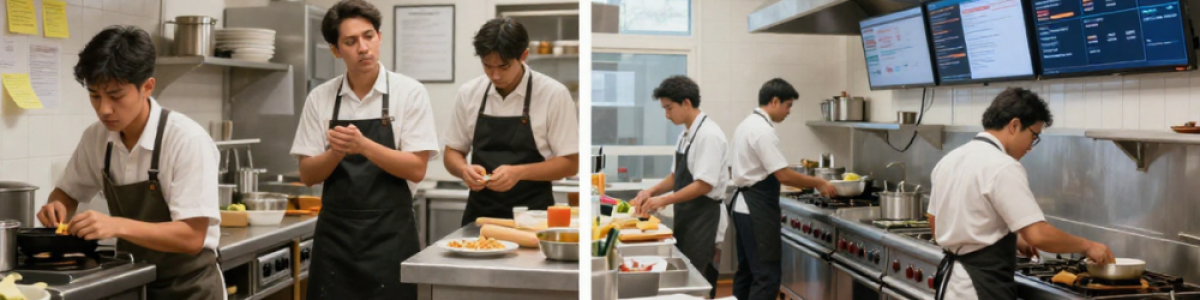
Real-World Impact of Digital Production Tracking
Food manufacturers adopting ERP-driven production tracking report tangible benefits:
- Improved Audit Outcomes: One central kitchen client noted a 50% reduction in audit preparation time as records were automatically organized and accessible.
- Reduced Food Safety Incidents: Automated monitoring caught several temperature breaches early, preventing potential contamination.
- Operational Efficiency Gains: Standardized digital workflows decreased production rework by 20% while boosting staff accountability.
- Cost Savings: Minimizing product recalls and waste due to safety non-conformance lowered overall operational costs.
These examples highlight how technology integration not only secures food safety but also enhances profitability and operational transparency.
Common Mistakes to Avoid in Production Tracking
Food operators transitioning from manual to digital tracking should avoid pitfalls such as:
- Neglecting employee training on new systems leading to misuse or data gaps.
- Implementing solutions without end-to-end integration causing fragmented workflows.
- Overlooking customization needs to match specific production and safety protocols.
- Failing to regularly review and update digital records to maintain accuracy.
Ensuring a thoughtful implementation and continuous improvement culture maximizes food safety benefits.
Conclusion
Manual production tracking poses significant food safety risks through human error, delayed issue detection, and fragmented documentation. Food production ERP systems like Codemax provide a robust solution by automating tracking processes, ensuring real-time compliance monitoring, and delivering comprehensive traceability. Key takeaways include:
- Automated data capture drastically reduces errors and improves record accuracy.
- Standardized workflows enhance regulatory compliance and audit readiness.
- Real-time monitoring prevents food safety breaches before they escalate.
- Integrated traceability supports quick responses to contamination or recall events.
As food safety standards tighten and consumer expectations rise, embracing digital production tracking is essential. Learn how Codemax Smart F&B ERP can help optimize your food production processes while safeguarding food safety and operational excellence.